Bosses Tell. Leaders Train.
The best teachers are often already on the floor. When experienced people model the work and give real-time feedback, training becomes faster, safer, and more human.
5-minute read
One of the most common mistakes leaders make is confusing instruction with training.
They give out instructions for seemingly everything then wait for better performance. It usually doesn’t happen.
That’s because most skills don’t improve simply because someone explains them. People rarely get better at leadership, problem-solving, or decision-making because they were told to. They get better when someone shows them what good looks like, watches them try it, and gives them feedback on key points and reasons while they learn.
That’s real training.
You Can’t Talk People into Skill
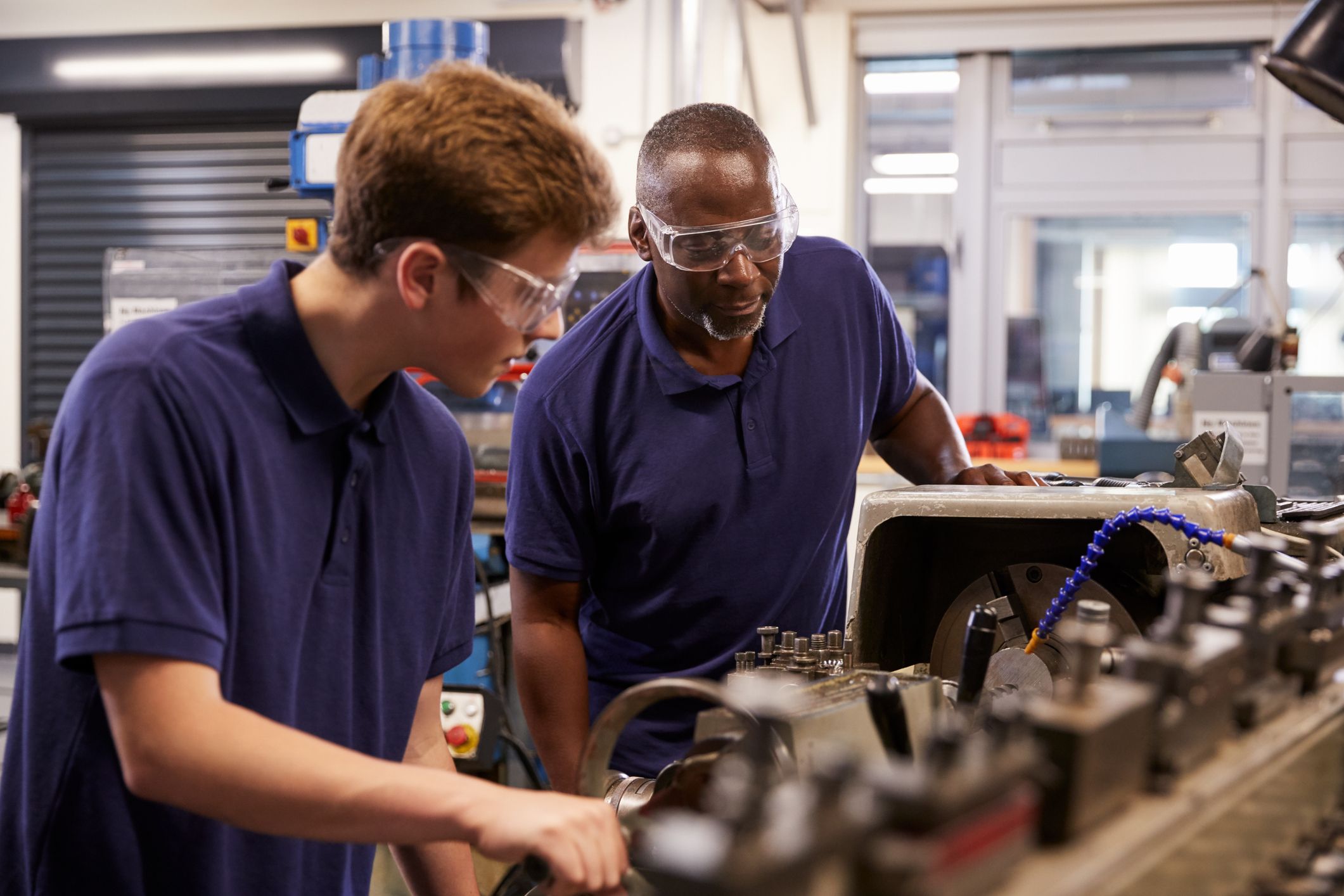
If you’ve ever tried to learn a sport, a trade, or a craft, you know this instinctively. No one improves because they hear a vague instruction once and somehow translate it into better performance. A phrase by itself—especially one like “Pay more attention to what you’re doing.”—is not a skill. It only becomes useful when someone trusted demonstrates what it means, breaks it down, and helps the learner apply it in real time.
The same is true at work. Leaders often assume that because they’ve named the behavior, they’ve taught the behavior. They say things like “hold people accountable,” “use the data,” or “think more strategically,” as if clarity of instruction automatically creates capability.
Until someone can see the behavior, practice it, and get feedback on it, the instruction remains abstract. The words may be right, but the learning never really starts.
Real Training Happens in Action
Real training is not just a class. It is not a book, a webinar, or an instructional video by itself. Those things can help. But they are support tools, not the training itself.
Training happens when someone observes a person in action, corrects what is off, reinforces what is working, and helps them improve through repetition. It is active, specific, and behavioral.
That matters because the skills organizations need most are applied.
- Problem-solving is applied.
- Decision-making is applied.
- Coaching is applied.
- Leadership is applied.
You build those capabilities by showing people how, not by describing them once.
High Stakes
The need for skill development is only growing.
Companies need people who can solve critical problems, improve processes, develop new products, adapt to changing conditions, and help the business grow. In a labor-constrained environment, those capabilities are no longer optional. Organizations cannot simply hire their way out of every gap. They have to build more skill internally.
That raises the standard for training. If you want a person to change how they lead, decide, coach, or solve problems, someone has to show them what to do and help them practice until the behavior becomes habit, and then becomes natural.
The Best Teachers? Not the Boss
This is where many organizations get stuck: They assume the manager should be the one doing all the teaching. Sometimes that works, but often it doesn’t.
When the only teacher is the direct manager, the feedback can be heard more as judgment than development. The dynamic becomes evaluative too quickly. People protect themselves instead of learning.
That is why experienced peers, mentors, lead operators, trainers, and trusted colleagues can be so powerful. They can model the skill, give immediate feedback, and create a learning environment that feels developmental rather than disciplinary.

Managers still matter—they set expectations, create the conditions for growth, and reinforce the standards. But skill-building often accelerates when someone trusted can say, in effect, “Watch this. Now you try it. Here’s what to change.”
That is how confidence—and competence—grow.
Teaching Builds More Than Skill
There is another benefit here that leaders often miss.
When experienced people teach others, they are doing something more than transferring skill. They are multiplying leadership. They are teaching others how to teach, how to model, how to give feedback, and how to help someone improve without tearing them down.
That creates something bigger than individual development. It creates a culture where learning spreads.
The strongest organizations are not the ones with a few highly skilled people and experienced subject matter experts. They are the ones where capability keeps moving outward—from one person to another, from one team to another, from one level to the next.
If you want better performance, don’t just tell people what to do.
Show them.Watch them.Coach them.Let trusted people teach others.
That’s how skills are built. And in the end, that’s how leaders are built too.