Forget Motivation. Eliminate the Demotivators Instead!
Don’t mistake a system problem for a motivation problem. Your people may not need more motivation. They may need fewer things getting in the way.
5-minute read
A top challenge for many managers is motivating their people. It sounds reasonable. When the results aren’t there, it’s easy to assume the effort isn’t either.
But people come to work for different reasons. Some are energized by meaning and purpose. Some like solving problems and building something tangible. Some value camaraderie. Some are there primarily for the paycheck and the stability it provides.
Whatever brought your people in the door, bad systems make it harder for them to do good work consistently.
Even people who are mainly working for a paycheck still want a day that makes sense. They want clear expectations, fewer unnecessary frustrations, and a fair shot at succeeding without constant chaos. And people who start with stronger intrinsic motivation are not immune either. When work is consistently frustrating, unpredictable, or unfair, engagement starts to erode and motivation fades.
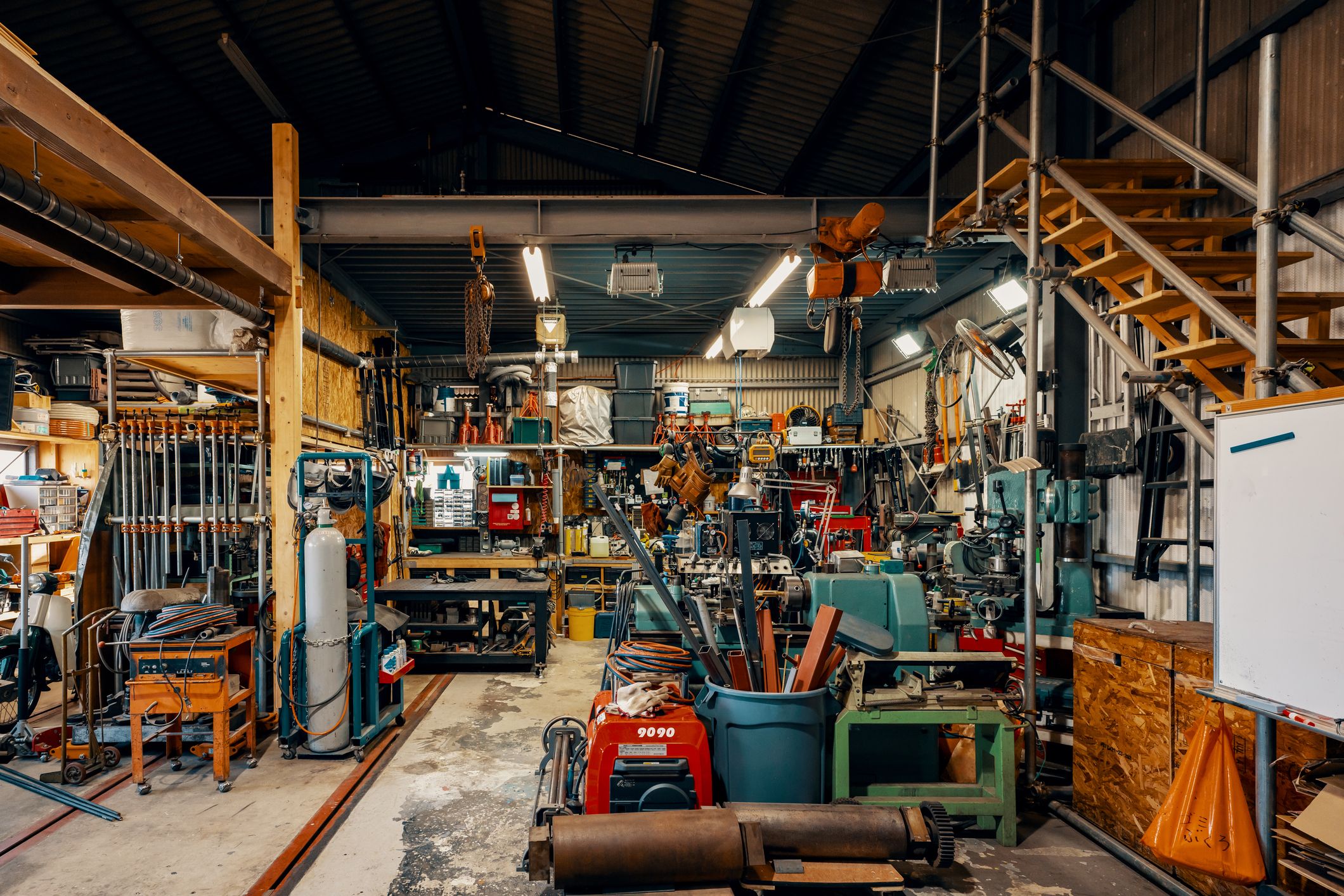
People stop pushing as hard, not because they don’t care, but because extra effort leads to more interruptions, more rework, and more aggravation. Left unchecked, that can turn into resentment.
That’s why trying to “motivate the workforce” usually misses the mark. The more productive move is to identify what gets in the way of people doing good work—and remove it.
What Actually Demotivates People
Demotivators are rarely dramatic. They’re usually the small, repeated problems people deal with every day.
It might be poor material quality that forces workarounds. It might be waiting on information, only to be told the priority changed an hour ago. It might be schedules that change constantly, decisions that keep shifting, or having to redo work because the standard wasn’t clear the first time. It might be having to drop everything when something finally arrives, because there’s no reliable flow to the day.
“A bad system will beat a good person every time.” W. Edwards Deming
Over time, those conditions create stress and anxiety. People start their shift expecting surprises. Success feels temporary, and the sense of control fades. Even highly capable teams struggle to stay engaged in work that doesn’t give them a clear path to a successful day or the satisfaction of leaving knowing they made progress.
None of that is a motivation issue. It’s a system issue.
Systems Matter More Than Pep Talks
From an engineering perspective, frustration is a signal. When people are consistently stressed or disengaged, it’s often because the work itself is unstable. It has too many variables, too many interruptions and too few clear standards.
People aren’t going to stay engaged in a system that requires constant firefighting just to function. But when the work is designed to run predictably—when expectations are clear, problems surface early, and the day has a reliable rhythm—engagement takes care of itself. People can see what success looks like and feel themselves making progress toward it. (Is that what’s happening in your operation?)
That kind of environment doesn’t happen because leaders remind everyone to “try harder” or say “We’re all in this together.” It happens because the system supports good work instead of undermining it.
The Foundation Is Easy to Miss
The Great American Tower at Queen City Square in Cincinnati is crowned with a distinctive tiara—a feature visible for miles. What’s not visible is the massive concrete foundation that supports the rest of the structure.

Work systems are the same way. Culture, engagement, and performance are the crown that people see even from a distance. The foundation underneath—how work is designed, how decisions are made, how the day is structured—determines whether any of it holds up.
Ready to stop searching for ways to motivate your people? Remove the demotivators, strengthen the foundation, and let the work do more of the motivating.